
 English
 German
 French
- Blogs, Mountain Blogs
Where do you Sleep on Mount Kilimanjaro
- Updated On December 10, 2025
- Read Time 4 min
Where Do You Sleep on Kilimanjaro? Complete Guide to Huts and Tents
When planning a trek to Africa’s highest peak, one of the most common questions asked is: Where do you sleep on Kilimanjaro? Since Mount Kilimanjaro offers several routes, different accommodation styles have been established to suit both the terrain and the needs of climbers. Consequently, trekkers either sleep in Kilimanjaro huts or Kilimanjaro tents, depending on the chosen route.
Although the sleeping setup may seem like a small detail, it plays an essential role in comfort, safety, and overall summit success. Moreover, the type of accommodation can affect how well you rest at night, which directly impacts your performance the following day. Therefore, understanding the differences between huts and tents will help you prepare better and choose the option that suits your preferences and trekking style.
In addition, knowing what to expect in each type of sleeping arrangement can help you pack appropriately and avoid surprises during the climb. Ultimately, the right choice of Kilimanjaro accommodation contributes significantly to a safe, enjoyable, and successful adventure to the roof of Africa.
Accommodation Options on Mount Kilimanjaro
1. Kilimanjaro Tents (Used on Most Routes)
On most Kilimanjaro routes, including Machame, Lemosho, Shira, Rongai, Northern Circuit, and Umbwe, climbers sleep in tents.
The camping system has been used for decades, and, in most cases, high-quality, all-weather tents are provided by professional trekking companies.
What to Expect
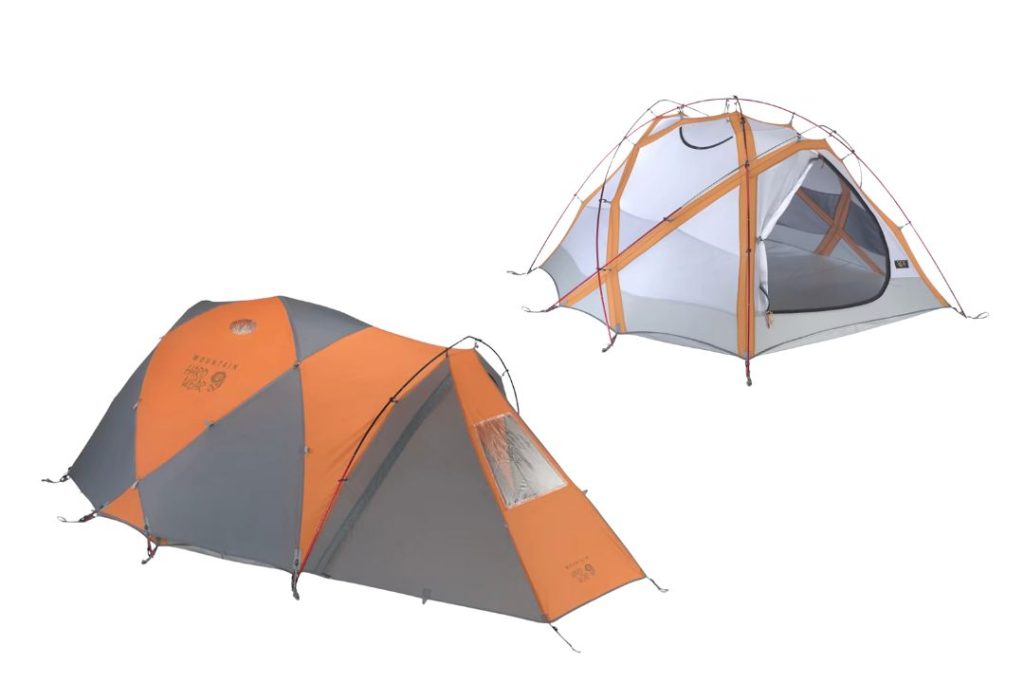
A four-season, mountain-grade tent is usually provided.
A foam sleeping mattress is placed inside for insulation.
Sleeping bags are either rented or brought personally.
A private mess tent is normally used for meals.
Tents are pitched and removed daily by mountain crews.
Because the weather on Kilimanjaro can change quickly, sturdy gear is required. For this reason, choosing the best tent for Kilimanjaro becomes essential to ensure warmth, durability, and wind resistance.
2. Kilimanjaro Huts (Only on the Marangu Route)
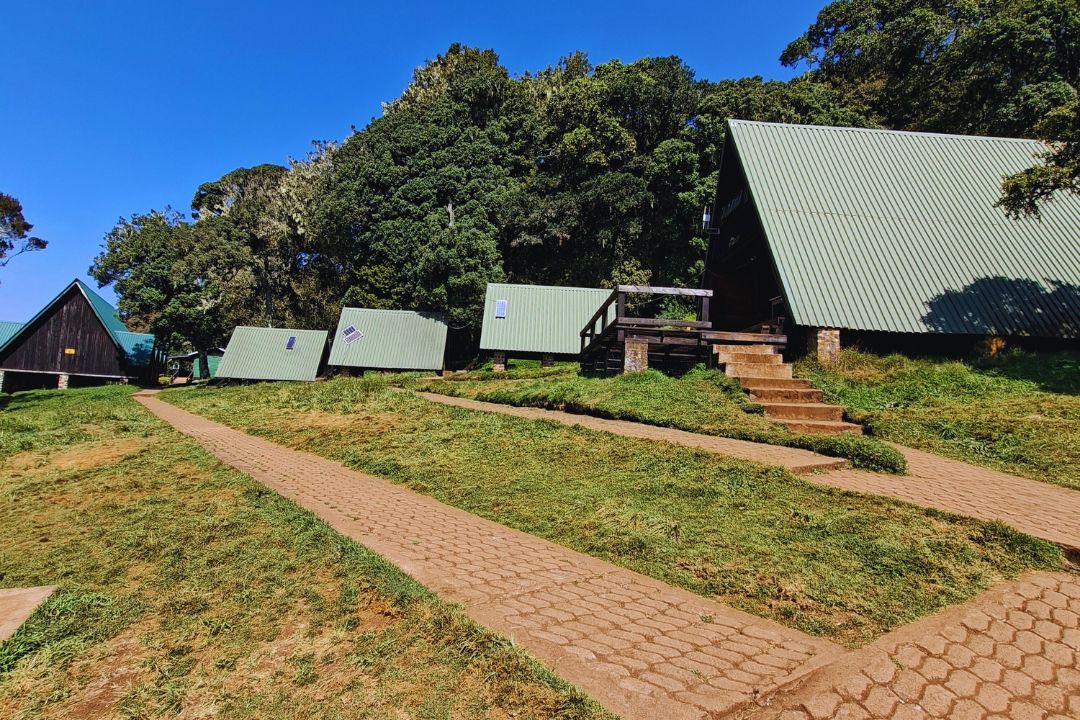
If sleeping in tents is not appealing, the Marangu Route provides another option: Kilimanjaro huts.
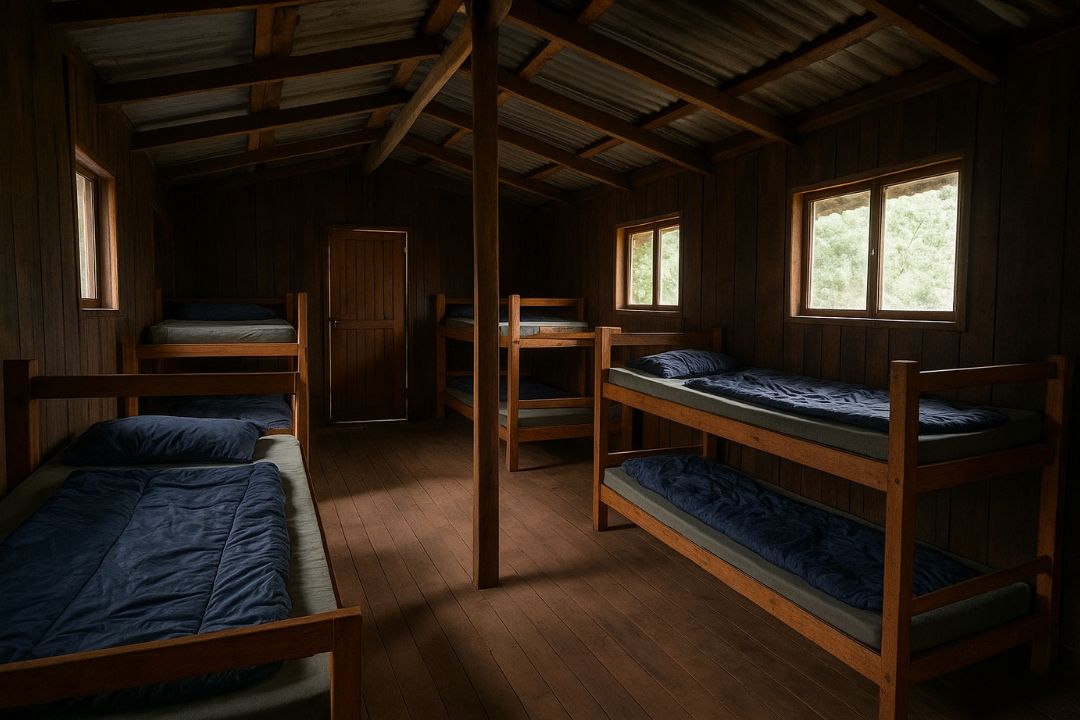
These huts are permanent wooden structures built along the trail and offer a more lodge-style experience compared to camping. Despite being simple, they provide beds, roofs, and communal dining halls, making them a popular choice for climbers who prefer fixed accommodation.
What the Huts Include
Bunk beds with mattresses
Shared dining areas
Solar lighting
Basic washroom facilities
Because of this structure, the Marangu Route is often referred to as the “Coca-Cola Route”, due to its comfort and accessibility.
Kilimanjaro Huts vs Tents: Which Is Better?
When planning where to stay on Kilimanjaro trek, it is important to compare Kilimanjaro huts vs tents, as both options come with advantages and limitations.
Advantages of Tents
Routes with tents offer better scenery and higher success rates, since the acclimatization profiles are better.
Tents provide more privacy compared to dorm-style huts.
More route options are available.
Advantages of Huts
Huts offer solid shelter, which may feel more comfortable for first-time trekkers.
There is no need to pitch or pack sleeping arrangements.
They are warmer and better protected from storms.
Which Is Better?
Although huts provide structure and convenience, the tent routes are widely preferred because they offer superior acclimatization and stunning landscapes. For this reason, most climbers choose tented routes for the best chance of summiting.
What Is the Best Tent for Kilimanjaro?
Because temperatures can drop below freezing at higher altitudes, choosing the best tent for Kilimanjaro is crucial. The most recommended tents include:
Four-season mountain tents
Double-layer tents for insulation
High-wind-resistant poles and frames
Waterproof fabric with sealed seams
Top operators usually provide professional expedition tents from brands like North Face, Marmot, or Mountain Hardwear. These tents are designed to handle Kilimanjaro’s extreme weather, therefore ensuring warmth and safety throughout the trek.
Final Thoughts: Where Do You Sleep on Kilimanjaro?
To summarize, where you sleep on Kilimanjaro depends entirely on your chosen route:
Tent accommodations are used on nearly all routes.
Huts are used only on the Marangu Route.
Both setups offer unique experiences. However, most climbers choose camping routes for better acclimatization, fewer crowds, and higher summit success rates. Ultimately, no matter where you stay on Kilimanjaro trek, a professional team will ensure your comfort and safety throughout the journey.
Environmental and Climate Considerations
Environmental and climate conditions on Kilimanjaro must be carefully considered, as they directly affect where and how climbers sleep. Because the mountain has multiple ecological zones, temperatures can shift quickly from warm rainforest areas to freezing alpine deserts. As a result, tents and huts are designed to withstand strong winds, heavy mist, and cold nights. Sustainable camping practices are encouraged to protect fragile ecosystems, while waste-management rules are enforced to ensure the mountain remains clean. Therefore, choosing reliable gear and an eco-responsible operator becomes essential for a safe and environmentally friendly climb.
